|

Sphynx Cat |
Hypoallergenic Cat Breeds
|
Is there
really a breed of cat that is hypoallergenic?
The prefix 'hypo' in the word hypoallergenic
means 'less than normal'. Therefore the word hypoallergenic does
not mean non-allergenic. A hypoallergenic cat is less likely
than other cats to produce allergic reactions in some people.
Although some cat allergy sufferers can tolerate any or all of
the following breeds not everyone can.
Hypoallergenic Cat
Breeds:
Devon Rex, Cornish Rex, Sphynx and Siberian.
|
 |
|
Devon Rex Cat |
|
The allergen responsible for
a cat allergy in humans is a protein named FEL D-1
It is commonly thought that cat hair causes an
allergy to cats but this is not true although cat
hair can carry the allergen. Fel d 1 is a
particularly sticky protein.
FEL D-1. can be found in cat saliva. It is also produced by the sebaceous glands
Allergens become airborne as microscopic particles
and these are breathed in by the allergy sufferer.
These cat allergen particles are very small and can
remain airborne for long periods of time.
|
|
 |
|
Cornish Rex Cat |
|
Devon and Cornish Rex have a reduced number of hairs in their coat. This
provides less surface area to trap allergenic proteins from the saliva or the
skin. Rexes only have an undercoat and lose only a few of very fine hairs at a
time. They do not shed like other cats.
Dander is minute flakes of skin.
These skin cells contain oils (sebum) which are made by the cat's sebaceous
glands and aid in keeping the cat's skin and coat in good condition. These skin
cell particles become airborne and can be breathed in and also will adhere to
most things including carpets, curtains and furnishings. It also adheres to
clothing and can be spread on people's clothing to areas where no cat exist
|
|
 |
|
Sphynx Cat |
|
Shpynx cats are almost completely hairless but they
do secrete the FEL D 1 protein.
There appears to be a sex difference in Fel d 1
allergen production. Female cats produce less of the
allergen. Male cats which have not been neutered tend to
secrete more of the protein than un-neutered male cats.
(Reference) |
|
 |
|
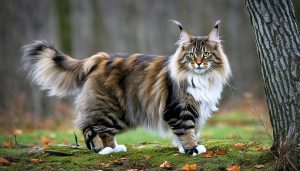
Siberian Cat |
|
It appears that different cat breeds have different
levels of the FEL D 1 protein.
It is believed that the Siberian Cat produces less
allergens than other breeds. The average
cat produces 63,000 micrograms of Fel-Dh1, it is estimated that the female
Siberian produces approximately 200 micrograms of Fel-Dh1 per gram.
|
Tips to reduce
allergies to cats
Have your cat neutered or spayed.
Washing your cat in plain water can be useful to remove the Fel
d-1 from the cat's coat.
Consult your veterinarian about products that you can bathe your
cat in to help reduce the allergens
Ensure your cat does not have fleas as this causes the cat to
scratch and to throw more dander into the air.
Limit your cat to certain areas of the house. Do NOT allow it in
bedrooms.
Keep your cat outside for part of the time.
A cat
enclosure can be built to keep your cat safe outside
An air filtration system will reduce the amount of allergens
circulated.
Ventilate your house. Opening windows and using exhaust fans can
help increase air exchange and decrease air borne allergens.
Vacuum carpets with a HEPA equipped vacuum cleaner. This will
reduce the allergens. Cat dander settles onto carpets and soft furnishings,
which act as a reservoir for the allergen, releasing it back into the air when
touched. Remove the carpeting, if possible
Wool attracts allergens. Try to avoid wearing it.
Reduce your other allergies. Few individuals are allergic only to
cats
Keep the litter tray in a well ventilated area.
|